Vučić concedes defeat as Serbia’s student list wins vote
After 14 years of near-absolute power, Serbia’s leader said his party lost to a movement born from the Novi Sad canopy disaster, citing his own projections.
 By
Rachel Smith
In brief
- Aleksandar Vučić conceded Serbia’s parliamentary election on 25 October to the Students’ List.
- By his own projection, the winners take 135 to 140 of 250 seats, against about 105 for his party.
- Turnout was reported at nearly 70%, among the highest in decades.
- Monitors logged dozens of election-day irregularities, and the EU was watching.
Aleksandar Vučić, who ran Serbia with near-absolute power for 14 years, conceded defeat on Sunday 25 October to a student-backed opposition movement that had spent two years protesting his government, NBC News reported.
A concession on election night
Speaking to supporters at his Serbian Progressive Party (SNS) event, Vučić said: “The Students’ List has won.” According to the Telegraph, via Yahoo News, he also told them: “Based on a stratified sample, it is clear that we lost these elections.” He announced the outcome about an hour and a half after polls closed, following a day of rising tension. Police in anti-riot gear had cordoned off the area around the election commission in Belgrade, and groups of black-clad men had gathered at several points in the city.
He blamed Serbia’s independent media, unnamed European countries and an “American deep state” for the loss. He offered no evidence for those claims, which remain his allegations.
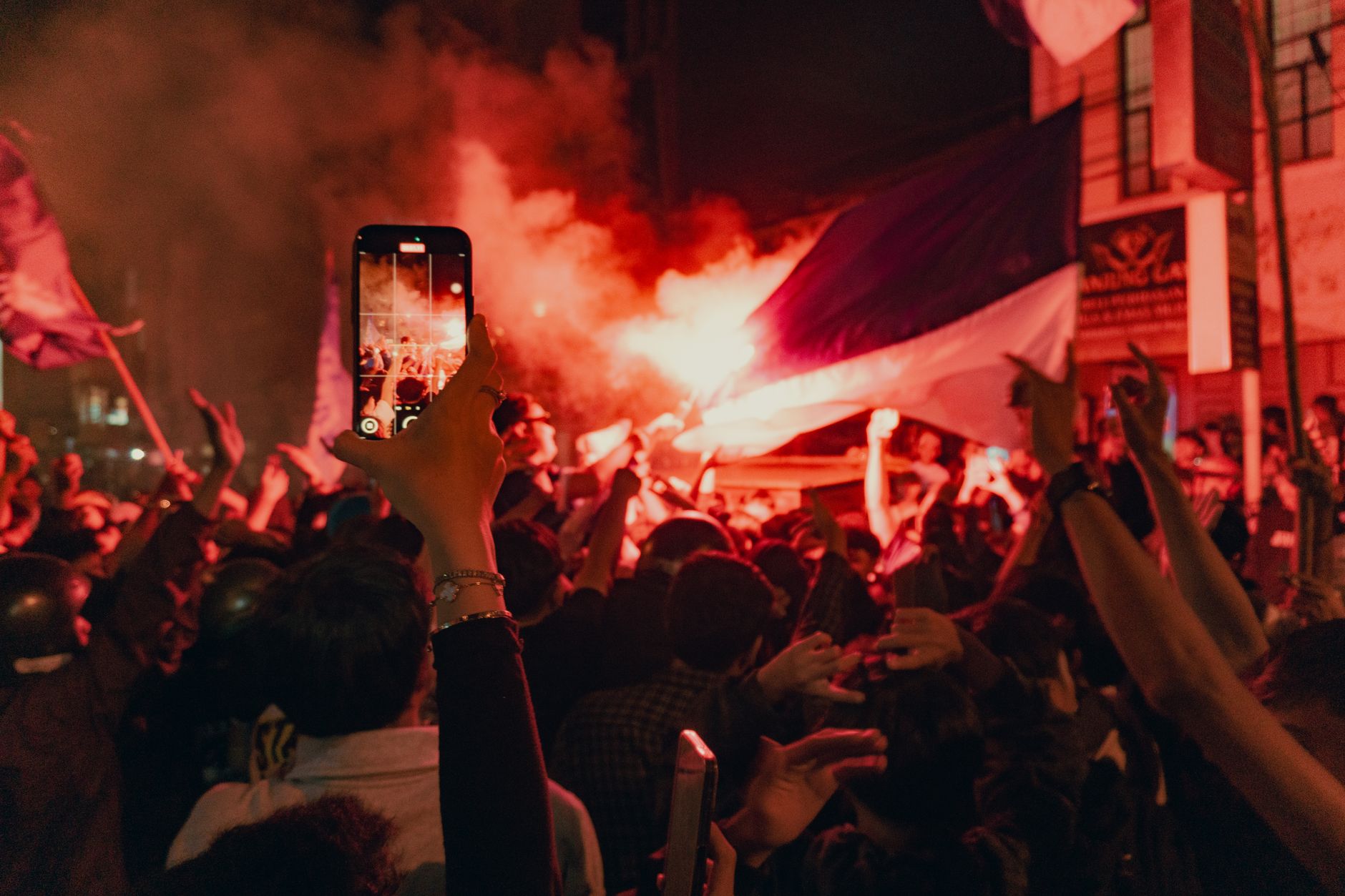
Crowds filled Belgrade and other cities. Cars honked, and supporters of the Students’ List chanted “Aleksandar is gone.” People pulled down the fences and tents of a park in central Belgrade where loyalists had camped for over a year. Dijana Hrka, whose child died in the Novi Sad collapse, said: “I have been waiting for this moment for two years.”
What the numbers show
The figures below are Vučić’s own projections and statements, not official final results.
| Camp | Votes (Vučić’s figures) | Projected seats |
|---|---|---|
| Students’ List | about 2.2 million | 135 to 140 |
| SNS | about 1.7 million | about 105 |
Turnout was reported at nearly 70%. Bloomberg, cited by Livemint, put it at roughly 69% and called it a record. The Telegraph described it as the highest since 1992, while monitors had predicted a level not seen since 2000. These are preliminary reports rather than official data.
From a collapsed canopy to a winning list
- A concrete canopy collapses at the Novi Sad railway station, killing 16 people. Protesters blame corruption and cronyism in the renovation.
- Vučić resigns the presidency to seek the prime minister’s post, after two near-full terms.
- A final pre-election rally in Belgrade draws more than 150,000 people, according to Livemint.
- Serbians vote, and Vučić concedes.
The Students’ List was shaped by university students, yet none appeared on its ballot. Its candidates were little-known experts, athletes, farmers and artists, a choice meant to counter one-man rule. The campaign centred on rebuilding the economy and restoring democracy. Students cycled and walked across the country to reach rural voters, long Vučić’s strongholds, while pro-government media vilified them.
Fourteen years in power
Vučić, 56, was information minister under Slobodan Milošević in 1998. In 2008 he co-founded the Serbian Progressive Party, which won the 2012 parliamentary elections, and he became president in 2017. Supporters credit him with stability and economic development, while opponents call him increasingly authoritarian.
His defeat follows the ousting of Hungary’s Viktor Orbán after 16 years. Hungary’s new leader, Peter Magyar, wrote on X: “I was delighted to hear how much strength our victory in April had given them during this difficult struggle.” Dr Helena Ivanov of the Henry Jackson Society said the concession meant “no violence should be expected”, an assessment that is hers alone. The Telegraph had reported fears that he might refuse to admit defeat.
Irregularities under watch
- Independent monitors reported dozens of irregularities, including photographing of ballots suggesting pressure on voters, and attempted vote buying.
- Some diaspora voters had to cast ballots in the middle of the night because voting hours were tied to local Serbian time.
- The EU followed the vote closely, since Serbia is a candidate for membership.
Photo: Miftah Rafli Hidayat / Pexels