Wisconsin Elections Commission Set to Weigh Green Bay Ballot Errors
Wisconsin election commissioners are scheduled to consider whether former Green Bay Clerk Celestine Jeffreys acted contrary to law or abused her discretion after duplicate absentee ballots were sent in two 2026 elections.
 By
Derek Olsen
By
Derek Olsen
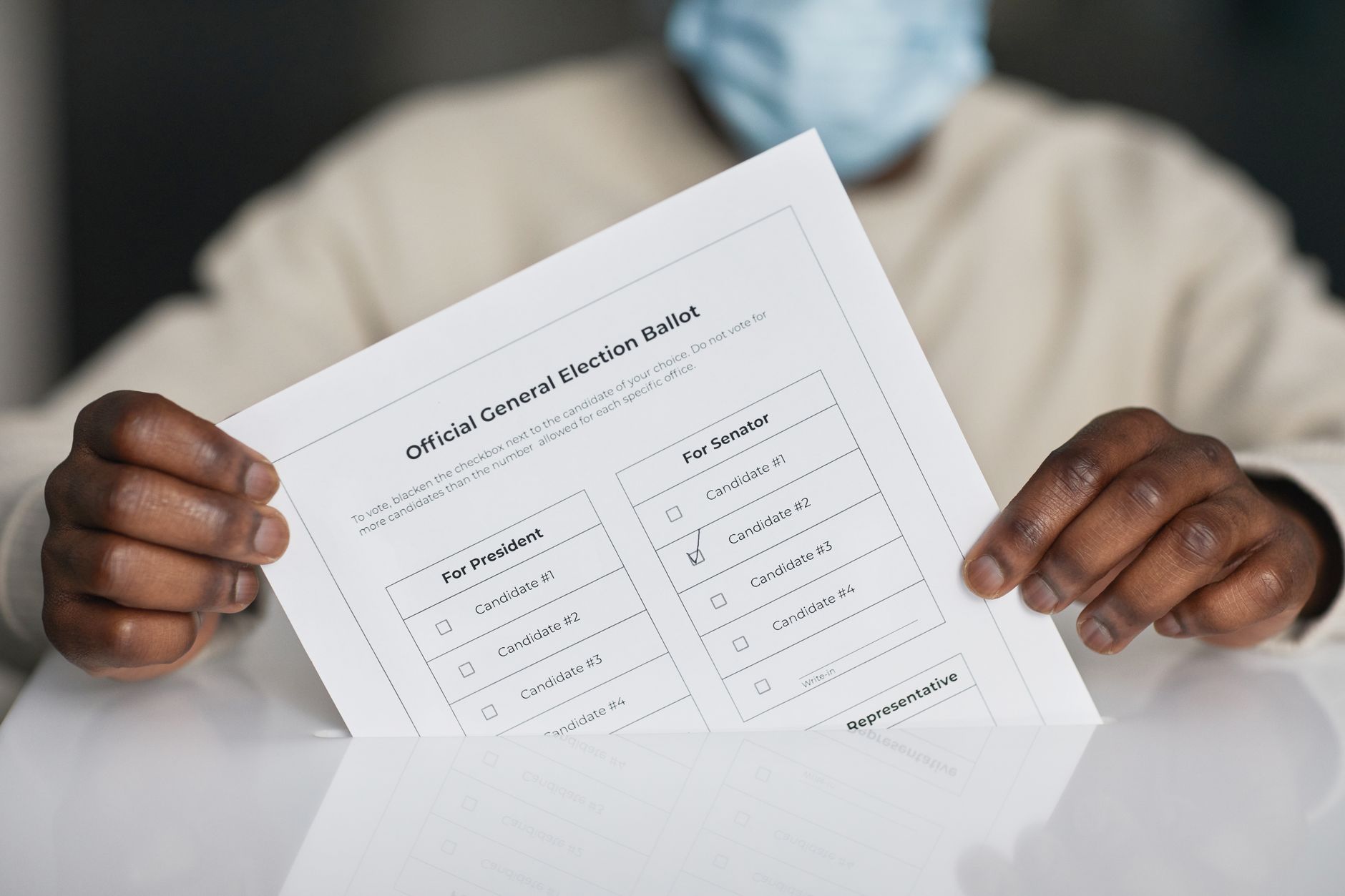
The Wisconsin Elections Commission is scheduled to decide what direction to take in its investigation of duplicate absentee ballots mailed by Green Bay in two elections this year. Commissioners are expected to consider whether former City Clerk Celestine Jeffreys acted contrary to law or abused her discretion, while the available materials leave the final outcome of that deliberation unresolved.
In brief
- The Wisconsin Elections Commission is scheduled to consider findings involving former Green Bay Clerk Celestine Jeffreys and duplicate absentee ballots.
- Green Bay reported that 152 voters received duplicate absentee ballots for the April election and about 244 did so before the August primary.
- City officials said safeguards prevented any voter from casting more than one ballot in either election.
- Jeffreys was placed on leave during the investigation and later resigned from her position.
The matter concerns duplicate absentee ballots sent ahead of Green Bay’s April election and its August primary. The state commission has been examining possible election-law violations, following an inquiry into how the ballots were issued. A staff review agreed with the city’s account of the duplications, according to reporting on the commission’s scheduled meeting.
The case puts a routine but consequential part of election administration under public scrutiny: the procedures used to prepare, label, send and account for absentee ballots. Green Bay officials have said the errors did not permit anyone to vote twice, but the repeated mailing failures prompted both city and state reviews.
Two elections involved duplicate absentee ballots
Green Bay reported that 152 voters received two absentee ballots before the April election. Before the August primary, the city estimated that about 244 voters received duplicates. A city report initially cited a higher possible figure for the August incident based on the number of label sheets printed, but officials later said they remained reasonably certain that 244 voters had received two ballots, Wisconsin Public Radio reported.
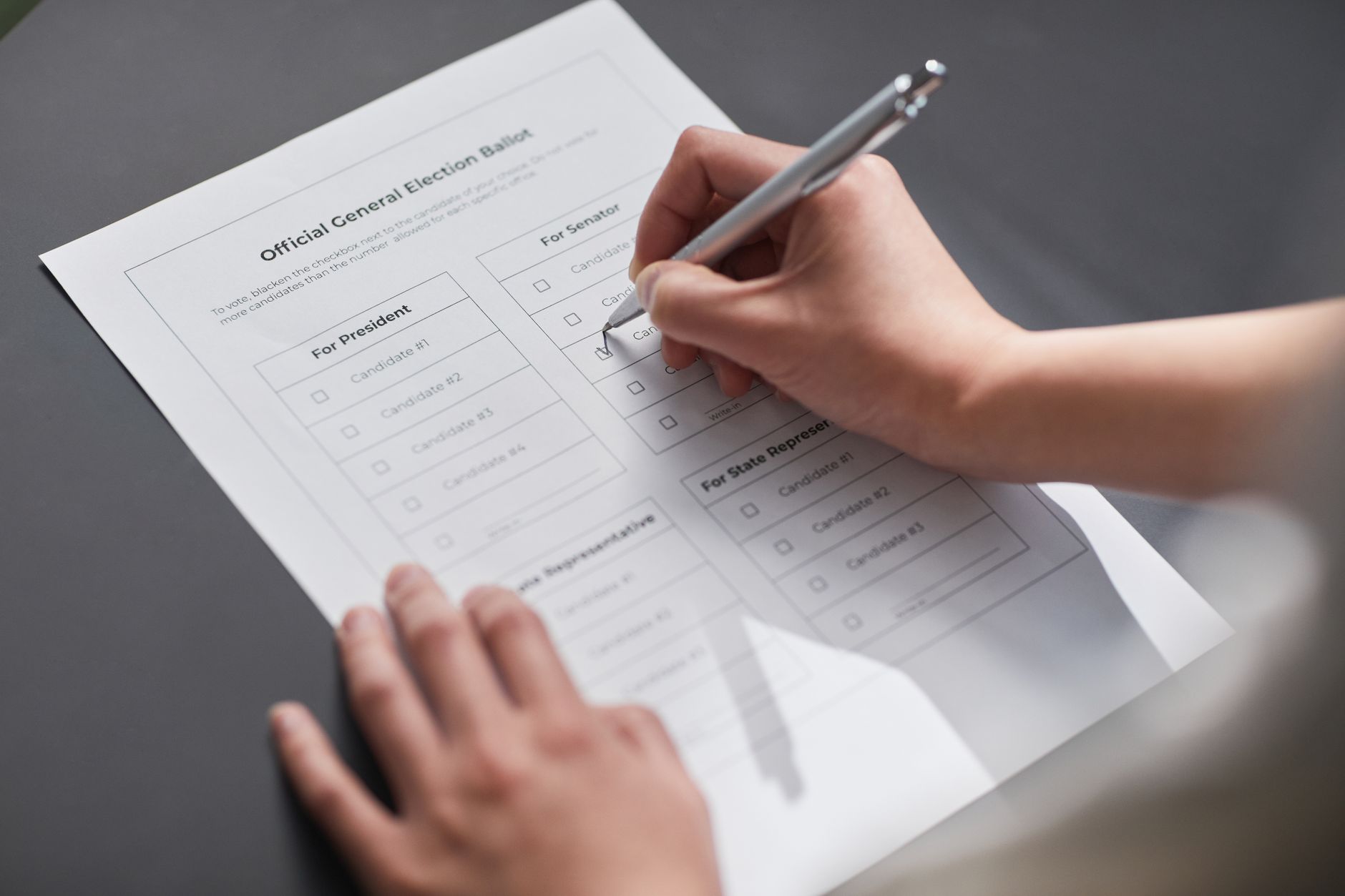
City officials attributed both incidents to human error in reports provided to the commission. In the April matter, the city’s account said duplicate labels were printed after there was not a clear indication that labels had already been produced. For the August primary, the city’s account said Jeffreys reviewed boxes of absentee-ballot labels, believed some were missing and reprinted labels that were later identified as the source of duplicate ballot mailings.
The precise circumstances of the two events remain central to the commission’s review. The state inquiry is not simply a review of the volume of duplicate mailings. It is examining whether election-law violations occurred and whether the former clerk’s conduct met the legal standards commissioners will consider.
Officials say duplicate votes were prevented
Green Bay has maintained that no voter was able to cast more than one ballot in either election. City officials said the processes used in the clerk’s office and at central count prevented duplicate ballots from producing duplicate votes.
According to the city’s explanation reported by WPR, election workers use lists to check ballots against voters’ names and wards, and each voter is assigned a number in the poll book. That system is intended to prevent a second ballot from being issued to the same voter during the count.

Those safeguards are relevant to the practical effect of the mailing errors, but they do not resolve the separate question before the Wisconsin Elections Commission. The commission’s scheduled discussion concerns the conduct and procedures that led to the duplicate ballot mailings, not an allegation that duplicate votes were counted.
Jeffreys resigned as Green Bay changes its process
Jeffreys was placed on leave after the duplicate-ballot errors came to light and subsequently resigned as Green Bay clerk. She had held the position since 2021. The city’s submission on the August incident identified the reprinting of labels as the source of the duplication, as described in a report on Green Bay’s letter to state election officials.
Green Bay has also described a revised procedure for reprinting and tracking absentee-ballot labels. Under the approach outlined to the City Council, no individual, regardless of position in the clerk’s office, may reprint even one label alone. The city said the process would involve multiple steps rather than relying on a single person to authorize and complete a reprint.
For the commission, the immediate issue is whether the investigative record supports a finding that Jeffreys acted contrary to law or abused her discretion, or whether further work is needed. The meeting materials presented possible paths that include directing additional investigation, preparing a draft decision and order, or ending the investigation. Any final determination will depend on the commissioners’ action.
Featured image. Source: Pexels. Credit: Edmond Dantès. License: Pexels License.