Supreme Court ruling lets federal mail-ballot rules proceed, but legal fight continues
The Supreme Court has allowed new federal postal requirements for mail ballots to proceed for now, while challenges to the final rule move through the courts.
 By
Priya Raman
By
Priya Raman

The Supreme Court has cleared the way, for now, for federal postal requirements affecting mail ballots to move forward. Its action paused a lower-court injunction against elements of President Donald Trump’s March executive order, but it did not resolve the central legal question: whether a president may alter election administration rules that are generally assigned to states and Congress.
In brief
- The Supreme Court paused a lower-court order that had blocked parts of a March executive order concerning mail-in voting.
- The Court did not decide whether the president can change election rules assigned to states and Congress.
- The Postal Service’s final rule requires election officials to provide mail-ballot information through a federal portal.
- Attorneys general from 23 states have filed a new lawsuit challenging the finalized Postal Service rule.
The immediate effect is procedural rather than a final ruling on presidential authority or the future of mail voting. As PBS Wisconsin’s discussion of the mail-voting dispute noted, the litigation had focused on whether the states brought their case before the Postal Service had completed its rulemaking. That final rule has since been issued, shifting the dispute from a challenge to a prospective policy toward fresh litigation over requirements now in place.
What the Supreme Court decided
The Court concluded that the states challenging the March order had acted too early because the Postal Service’s rule was not yet final when they sued. It therefore suspended the lower court’s block, allowing the administration to proceed while the legal process continues.
The ruling did not determine that the executive order is lawful. It also did not decide whether the president has constitutional authority to rewrite the rules under which states administer elections. The distinction matters because the Court addressed timing and legal standing, not the merits of the policy itself.
That leaves election officials, voters and the courts facing a narrower but consequential question: how to apply a finalized federal postal rule while challenges to it are still pending. The uncertainty is especially significant as election offices prepare ballots and mailing procedures ahead of the midterms.
What the Postal Service rule requires
According to reporting on the finalized Postal Service rule and the subsequent court actions, state and local election officials must submit information about voters using mail ballots through a federal portal. The rule also calls for unique federal barcodes and markings on mail-ballot envelopes.
Mailings that do not meet those requirements could be refused by the Postal Service. That possibility is not the same as a finding that every noncompliant ballot mailing will be rejected, nor does the rule itself change state laws governing which voters may cast a ballot by mail. The practical issue is whether election offices can meet the new federal specifications as they carry out their existing state-law responsibilities.
A federal judge later lifted the last remaining injunction that had prevented implementation of the Postal Service rule. That action followed the Supreme Court’s procedural decision and removed the immediate court barrier to the rule’s operation. It did not end the underlying disagreement over the policy’s legality.

New lawsuits put the final rule back before the courts
Once the Postal Service finalized its rule, the legal landscape changed. Attorneys general from 23 states filed a new lawsuit directed at the final rule and requested emergency relief to halt it. Separate voting-rights litigation is also expected to be revised to address the finalized policy rather than the earlier proposed action.
The new cases will give courts an opportunity to consider claims that were not resolved by the Supreme Court’s decision on timing. Their outcome could determine whether the federal requirements remain in effect, are modified, or are blocked. Until then, the status of the rule may continue to evolve through emergency motions and lower-court rulings.
The dispute has practical consequences for the officials responsible for preparing and sending ballots. In Nevada, the secretary of state said ballots for military members and voters overseas were due to be sent during the week of September 14. He also said in-person voting was unchanged in the circumstances described. Those details illustrate why administrative deadlines can collide with unresolved litigation over mailing procedures.
For readers following the case, the key point is that mail voting has not been prohibited. The Court’s intervention allowed the federal postal rule to proceed at this stage, while the authority behind the policy and the validity of its specific requirements remain subjects of active litigation. The case is now part of the broader U.S. election policy debate, where court decisions and administrative deadlines can shape the options available to election officials well before voters cast a ballot.
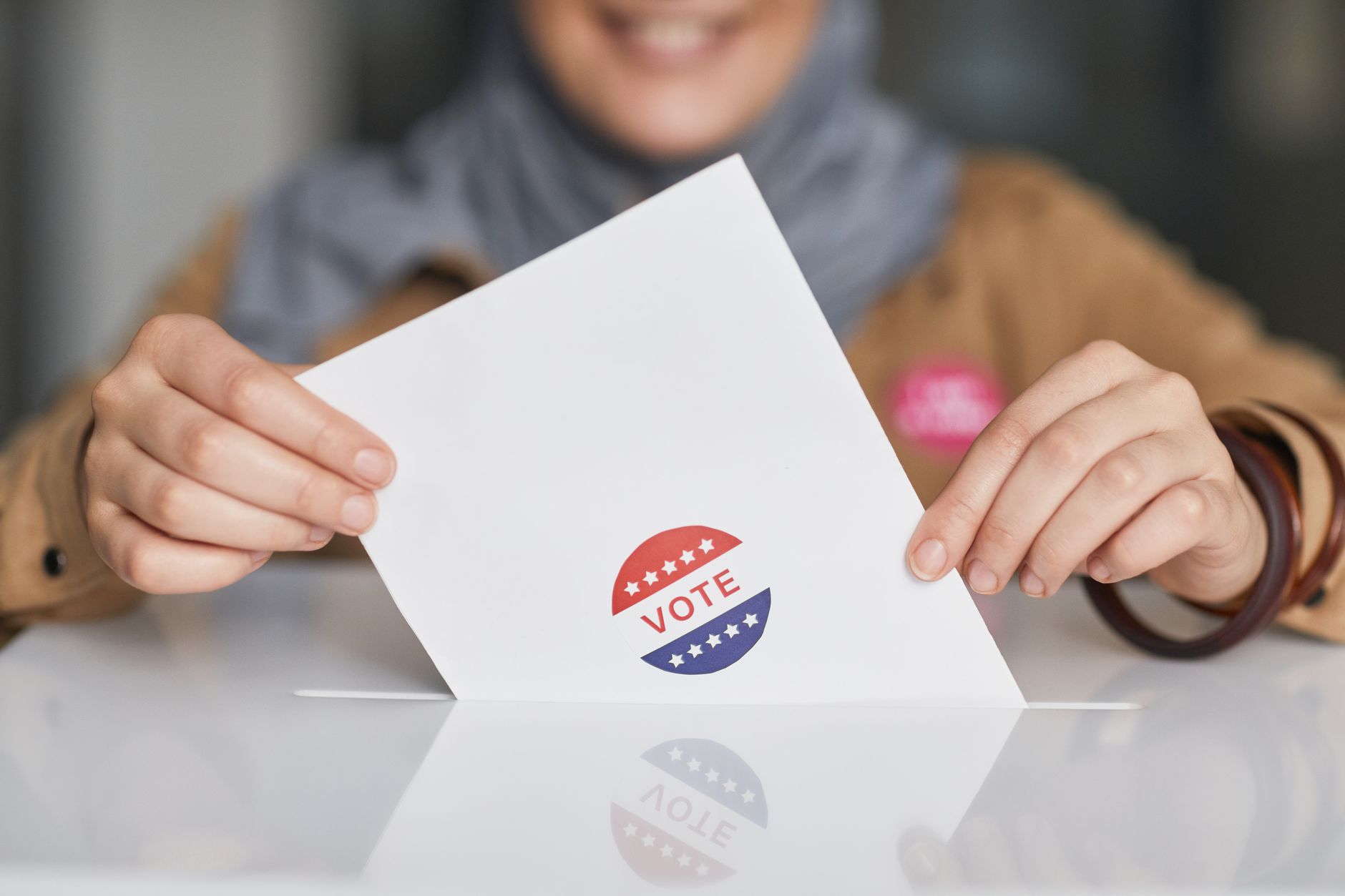
Featured image. Source: Pexels. Credit: DS stories. License: Pexels License.