Midterm Elections and the Forces That Shift Control of Congress
The party holding the presidency often loses ground in Congress at midterms. This guide covers motivation, chamber structure, turnout, district lines and forecasts.
 By
Priya Raman
By
Priya Raman
At regular intervals, American voters choose a new House of Representatives and a portion of the Senate in the middle of a presidential term. These midterm elections have a reputation for shaking up Washington, and the pattern is not an accident. Several stable forces explain why the balance of power in Congress so often changes when the president is not on the ballot.
In brief
- These midterm elections have a reputation for shaking up Washington, and the pattern is not an accident.
- Because a smaller share of the electorate decides the outcome, small changes in who turns out can produce large changes in who wins.
- Whatever the year, the same questions apply: who is motivated to vote, which seats are genuinely in play, and how the structure of each chamber shapes what a given result will mean.
A referendum on the party in the White House
Midterm elections tend to function as a verdict on the sitting president. Voters who are satisfied with the direction of the country may feel less urgency to show up, while those who are frustrated are often more motivated to cast a ballot. This enthusiasm gap does not guarantee a result, but it explains why the president’s party has frequently struggled in the years between presidential contests.
The effect is strongest when public opinion about the economy, daily costs or the national mood is negative. Even local candidates can feel the pull of national sentiment, because many voters use their ballot to express a general judgment rather than a detailed review of a single representative.
Why the House and the Senate behave differently
The two chambers follow different rules. Every seat in the House is up for election at each midterm, and members serve short terms, so the chamber responds quickly to shifts in public opinion. Senators serve longer terms that are staggered, meaning only a portion of the chamber is on the ballot in any given cycle. As a result, the Senate map depends heavily on which states happen to be voting, and a favorable or unfavorable set of races can matter as much as the national mood.
This structural difference is why control of the two chambers can move independently. A party can gain ground in one while holding steady in the other, producing a divided Congress or a narrower majority than the headline atmosphere suggests.
Turnout, enthusiasm and the older, more engaged electorate
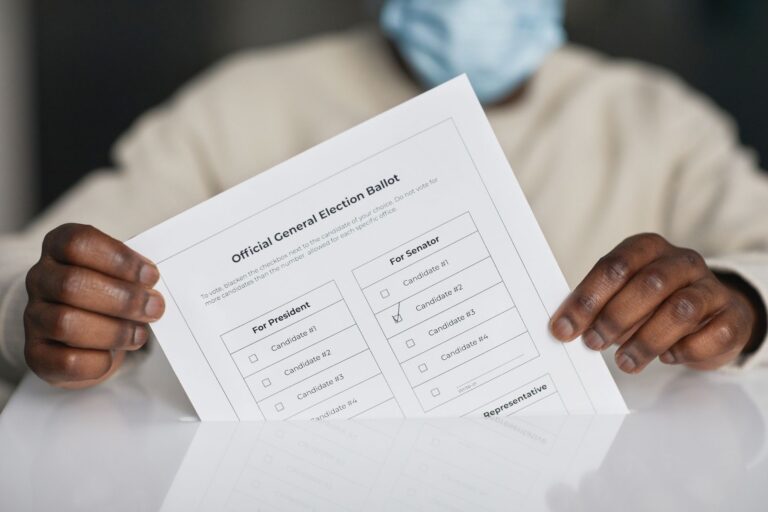
Turnout in midterm elections is usually lower than in presidential years. The voters who do show up tend to be more engaged, more habitual and often older. Campaigns therefore spend enormous effort on mobilization, trying to convince their own supporters that the election matters and to persuade the few undecided voters who remain.
Because a smaller share of the electorate decides the outcome, small changes in who turns out can produce large changes in who wins. A competitive district can flip because a few more supporters of one side stayed home, even when the underlying preferences of the community barely moved.
The role of district lines and competitive seats
The shape of congressional districts matters. In many districts, one party has such a clear advantage that the general election is almost a formality. Control of the House therefore often hinges on a modest number of truly competitive seats, where the national environment can tip the balance. How district boundaries are drawn, and how often they are redrawn, influences how many seats can realistically change hands.
In the Senate, statewide races bring their own dynamics, including candidate quality, local issues and the strength of each party’s organization. A well known candidate can outperform the national trend, while a weaker one can underperform it.
What changes when control flips
When control of a chamber changes hands, the practical consequences are large. The majority party sets the legislative agenda, chairs the committees, and decides which bills receive votes and which investigations proceed. A president facing an opposition-controlled chamber usually finds it harder to pass major legislation, and the focus often shifts toward oversight, negotiation and the confirmation process.
Divided government is not necessarily gridlock, but it does change incentives. Compromise becomes necessary for any law to pass, and each side tends to prepare for the next election by sharpening its message.
How to read midterm forecasts with care
Readings of public opinion, generic ballot questions and expert ratings can all help, yet none is a prediction carved in stone. Such readings can miss late shifts in opinion, and turnout models rely on assumptions about who will actually vote. The most useful approach is to look at several indicators together: the national mood, the list of competitive races, candidate strength and the likely composition of the electorate.
Understanding these durable patterns turns election coverage into something more useful than a daily scoreboard. Whatever the year, the same questions apply: who is motivated to vote, which seats are genuinely in play, and how the structure of each chamber shapes what a given result will mean.
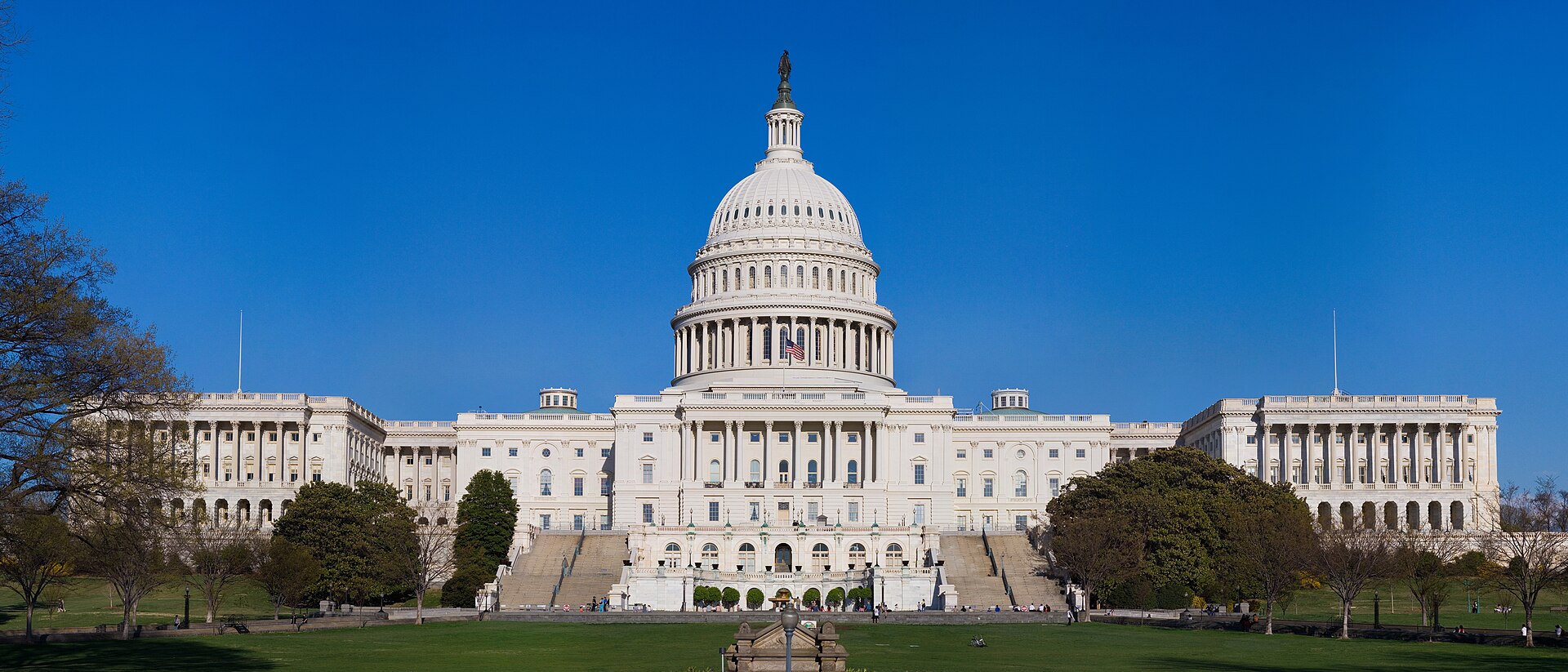
Featured image. Source: Wikimedia Commons. Credit: Noclip. License: Public domain.