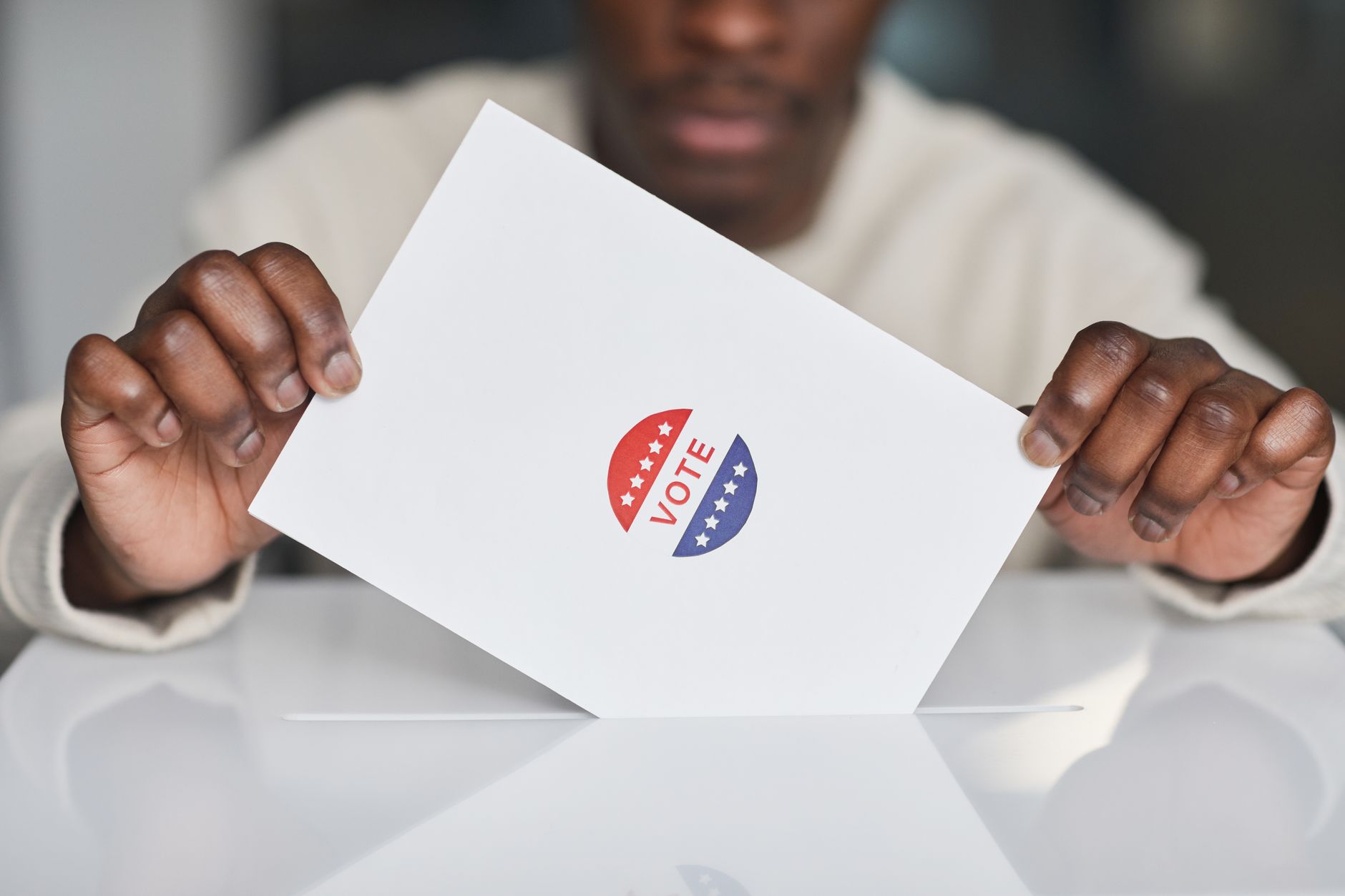
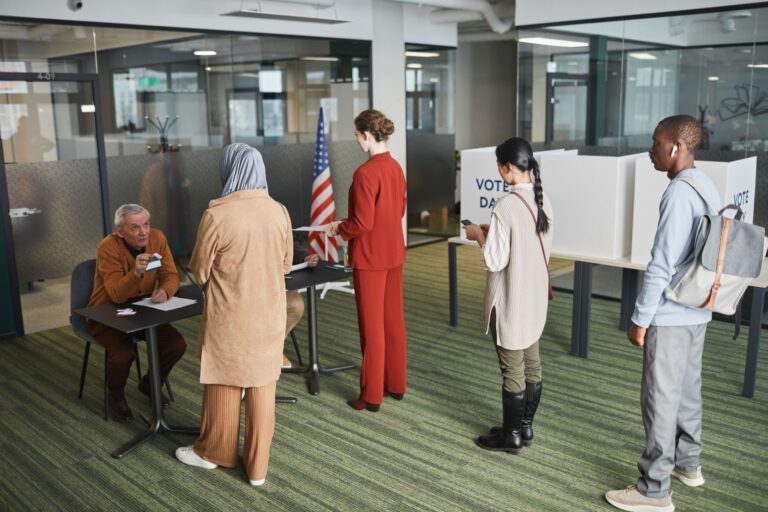
A voter casts their ballot, inserting the envelope into the slot of a ballot box.
In brief
Early voting began Monday across Texas as officials brace for potential challenges to close results.
Republican Senate nominee Ken Paxton currently serves as Texas Attorney General, raising questions about his office’s role in any dispute.
The Secretary of State’s Office flagged 2,724 potential noncitizens last fall; 578 later proved citizenship and 117 cases went to the attorney general.
Early voting runs from October 19 through October 30, with Election Day set for November 3.
Early voting began Monday in Texas, and officials are already preparing for the possibility that a tight U.S. Senate race could trigger disputes over how results are counted or challenged. The timing has put renewed attention on how the state identifies and removes ineligible voters from its rolls, a process that has drawn scrutiny from lawmakers and the public alike.
The question of election integrity surfaced again Thursday night in Austin, where political writers gathered for a panel tied to The Atlantic Across America series. Among them was Yvonne Wingett Sanchez, a staff writer who has covered elections extensively. She told CBS Austin that concerns about noncitizens on the voter rolls are likely to feature heavily in the days before and after the vote, even though, as she put it, “non-citizen voting is exceedingly rare.”
Paxton’s dual role adds an unusual wrinkle
Part of what makes this election cycle distinct is that Ken Paxton, the Republican nominee for U.S. Senate, is also the sitting Texas Attorney General. If the Senate race ends up close, his office could be the one fielding claims of fraud or disenfranchisement, a scenario that election officials around the state are reportedly already gaming out.
“There are election officials around the state who are preparing for scenarios that, if the U.S. Senate race in Texas is as close as it could be, how the office of the attorney general might engage to try to challenge the results of an election,” Wingett Sanchez said.
A person in professional attire reviewing documents outdoors in a folder. Photo: Vanessa Garcia / Pexels
She added that worries extend beyond who is eligible to vote. Misinformation about voting machines, paired with occasional genuine technical failures, could also be used to question the legitimacy of the outcome. “We don’t know what’s going to happen, but these are very real scenarios that election officials have anxieties about and are preparing for,” she said.
Advertisement
What the noncitizen voter review actually found
The scrutiny over voter rolls is not new. Lawmakers questioned a representative of the Secretary of State’s Office this summer about how the agency identifies potential noncitizens. The review drew on a federal database check conducted last fall.
2,724voters flagged as potential noncitizens, fall 2025 review
578later proved U.S. citizenship, per September update
117cases referred to the attorney general for further review
Those numbers show the review swept up a substantial share of voters who turned out to be eligible, a point officials have acknowledged while defending the broader process as necessary to keep ineligible voters off the rolls.
Officials say they remain confident in the system
State officials have framed the review as a balancing act: screening for noncitizens while protecting the rights of eligible citizens who get caught up in the process. During an August legislative hearing, the Secretary of State’s Office expressed confidence in the state’s voting systems as early voting approached, even as questions about the review process continued.


 By
Rachel Smith