Abbas decree delays Palestinian legislative vote to 2027
The Palestinian president has merged the legislative ballot with a presidential race, citing PLO consultations and Israeli obstacles to the earlier date.
 By
Derek Olsen
By
Derek Olsen
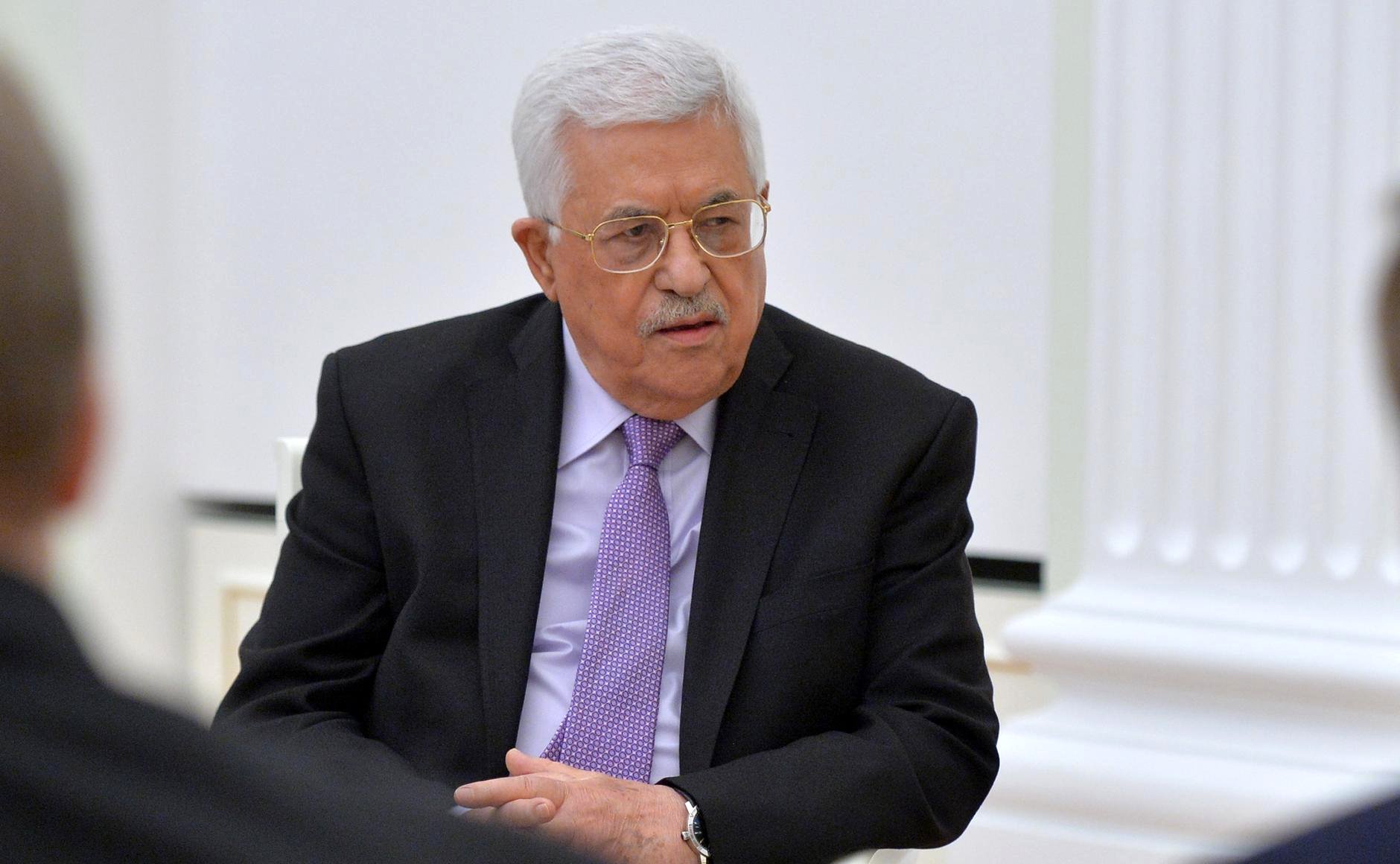
Palestinian President Mahmoud Abbas signed a decree on Saturday cancelling the legislative elections planned for 28 November 2026, replacing them with a combined presidential and parliamentary vote.
In brief
- Mahmoud Abbas signed a decree on Saturday scrapping the legislative vote planned for 28 November 2026.
- Presidential and legislative elections are now set to take place together on 11 September 2027.
- Wafa says the decree followed a PLO executive committee decision and talks with factions that reached a national consensus.
- The stated reasons are Israeli measures blocking the original date and the need for suitable conditions for a fair vote.
The announcement came through Wafa, the news outlet whose report was picked up by Middle East Eye. Beyond simply moving a date, the decree reshapes the electoral calendar itself, folding two separate contests into a single polling day.
One ballot day instead of a stand-alone parliamentary vote
Under the original schedule, Palestinians were to choose their legislators on their own in late November. That contest no longer exists. In its place, the decree orders voters to elect both a president and a legislature at the same time, on a date in early autumn of the following year.
The shift matters for anyone tracking Palestinian elections and democratic processes because it changes what is on the ballot, not only when. A presidential race had not been part of the November plan. Under the new text, the question of who holds the presidency and the composition of the legislature will be settled in one round of voting on the September date.
The PLO and the factions behind the decision
Abbas did not present the decree as a solitary act. Wafa reported that it came after the executive committee of the Palestine Liberation Organisation reached a decision on the matter, giving the postponement an institutional anchor inside the PLO leadership.

A second step preceded the decree as well. According to the same Wafa account, Palestinian factions and political forces were consulted, and those talks produced what the outlet described as a national consensus. In Wafa’s framing, then, the delay rests on two layers of endorsement: a formal decision by the PLO’s executive body and an agreement emerging from discussions across the political spectrum.
Wafa did not name the individual factions that took part in the consultations, and its report as carried by Middle East Eye attributes the consensus to the groups collectively rather than to any single party.
Two reasons given for the delay
The consensus, as Wafa described it, covered two distinct points. Set side by side, they show one argument about obstacles and another about prerequisites:
- Israeli measures: the factions agreed that steps taken by Israel stood in the way of holding the vote on the date previously fixed for November.
- Conditions for a credible vote: they also agreed on the need to put in place suitable political, security and field conditions so that the elections can be free, fair and inclusive.
The first reason looks backward at the original timetable and explains why it could not stand. The second looks ahead, describing what the Palestinian leadership says must exist before voters go to the polls. Wafa’s report did not specify which Israeli measures it had in mind.
Middle East Eye published its account of the Wafa report on 10 October 2026, as part of its live coverage of regional developments.
Featured image. Source: Wikimedia Commons. Credit: Пресс-служба Президента России. License: CC BY 4.0.