Wisconsin Assembly Chair Seeks Explanation for Milwaukee Results Delay
A Wisconsin Assembly committee chair has requested a public explanation after a human error delayed Milwaukee’s Aug. 11 primary results. Election officials say the delay did not affect vote accuracy.
 By
Derek Olsen
By
Derek Olsen

Milwaukee’s delayed release of results from Wisconsin’s Aug. 11 primary has prompted a request for answers from the chair of the state Assembly Committee on Campaigns and Elections. The delay followed what Milwaukee Election Commission Executive Director Paulina Gutiérrez described as a human error at the city’s central count operation.
In brief
- A human error delayed the posting of Milwaukee’s results from the Aug. 11 Wisconsin primary.
- Assembly committee chair Dave Maxey has asked the Milwaukee Election Commission for written answers and a committee briefing.
- Election Commission director Paulina Gutiérrez said the error affected reporting time, not the accuracy of vote totals.
Election officials have said the incident did not change the vote totals. It delayed the point at which results were posted, a distinction that is central to the questions now being raised in the state Capitol. For people following elections, the episode has put attention on the administrative steps between counting ballots and making results public.
A reporting error after the Aug. 11 primary
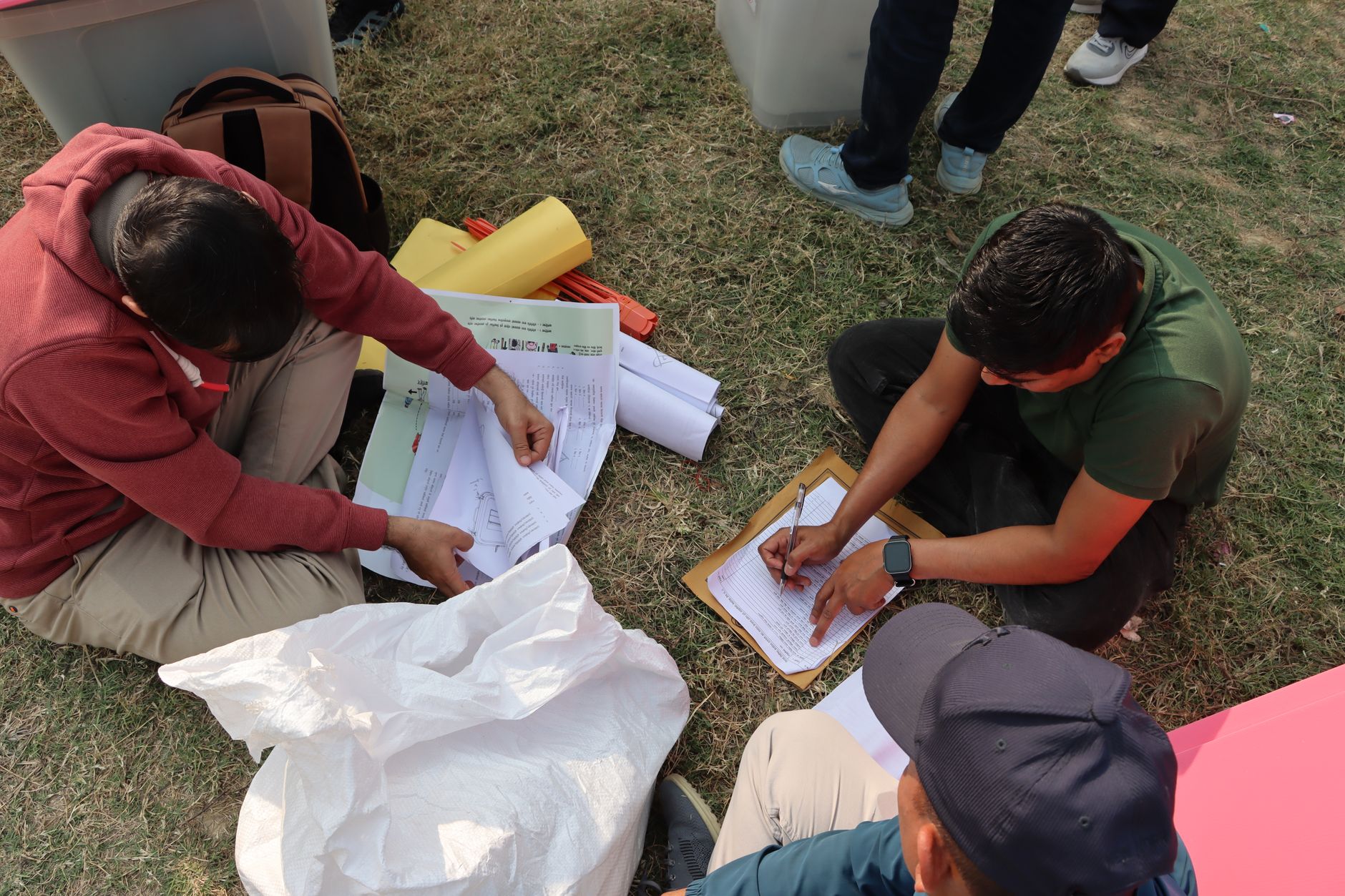
The error occurred during the Wisconsin primary on Aug. 11 and delayed the release of Milwaukee’s results. Gutiérrez said that an audit log had been downloaded for some flash drives, but the results themselves had not been downloaded. The account of the error is detailed in reporting on the Milwaukee results delay.
Gutiérrez characterized the problem as human error and said it had no impact on the accuracy of the election results. Its effect, she said, was on when the results were posted. The available information identifies the missed step but does not establish a precise cause for the error.
The distinction matters because a delay in reporting can leave voters and candidates waiting for information even when the underlying vote count remains unchanged. In this case, officials have maintained that the totals were accurate while acknowledging that the reporting process did not proceed as intended.

Gutiérrez said election teams had training, written instructions and prior experience with the process. She also described changes being made after the incident: instructions will include images, staff will receive advance briefings, and observers will receive a page-by-page process to follow. Those measures describe the commission’s response, rather than a confirmed explanation for what caused the Aug. 11 mistake.
Assembly committee requests written answers
Dave Maxey, the Republican chair of the Assembly Committee on Campaigns and Elections, has written to Gutiérrez seeking a full public accounting of the incident at Milwaukee’s central count location. His request includes written responses about whether the primary-election issue could have been connected to a training failure, what help the state could provide and whether the Milwaukee Election Commission will make itself available for a briefing with the committee.
Those questions do not establish that training caused the delay. They set out the information Maxey wants the commission to address as lawmakers seek a clearer account of the incident and of the response that followed.
Maxey also referred to earlier problems at Milwaukee’s central count site, including a misplaced flash drive in 2020 and a sealing error involving a vote tabulation machine in 2024. He has characterized those episodes as evidence of a broader concern. That characterization is Maxey’s assessment, not a finding that the current delay resulted from systemic mismanagement.
The scope of the committee’s request
The immediate request is for information from local election officials. Maxey has asked for written answers and for the commission to be available to brief the Assembly committee. Neither request confirms that a hearing will take place, that an official investigation has been opened or that the committee has reached a conclusion about the cause of the error.
Assembly committee vice chair Scott Krug has also said he wants more detail about what happened and what could improve. A report on the state committee’s response likewise identifies Maxey’s request for details from Gutiérrez.
Why the delay has drawn attention
Election administration depends on both accurate vote totals and a reporting process that the public can follow when results are expected. Milwaukee officials have stated that the Aug. 11 error affected the timing of publication, not the count itself. The Assembly committee chair is seeking further detail about the administrative failure and the steps being taken after it.
Gutiérrez has said the commission is learning from the mistake and changing its procedures. Maxey’s letter seeks a public account of what occurred and asks the commission to respond to the committee. Local reporting on Maxey’s letter describes the request as part of the committee’s effort to obtain those answers.
For now, the confirmed record is narrow: a human error delayed the posting of Milwaukee’s primary results, officials say the vote totals remained accurate, and state lawmakers want the commission to explain the incident and its response.
Featured image. Source: Pexels. Credit: Edmond Dantès. License: Pexels License.