Joint List Returns as Three Palestinian Parties Prepare for Israel’s October Vote
Hadash, Balad and Ta’al will run together in Israel’s 27 October parliamentary election, reviving the Joint List as Ra’am maintains a separate campaign.
 By
Derek Olsen
By
Derek Olsen
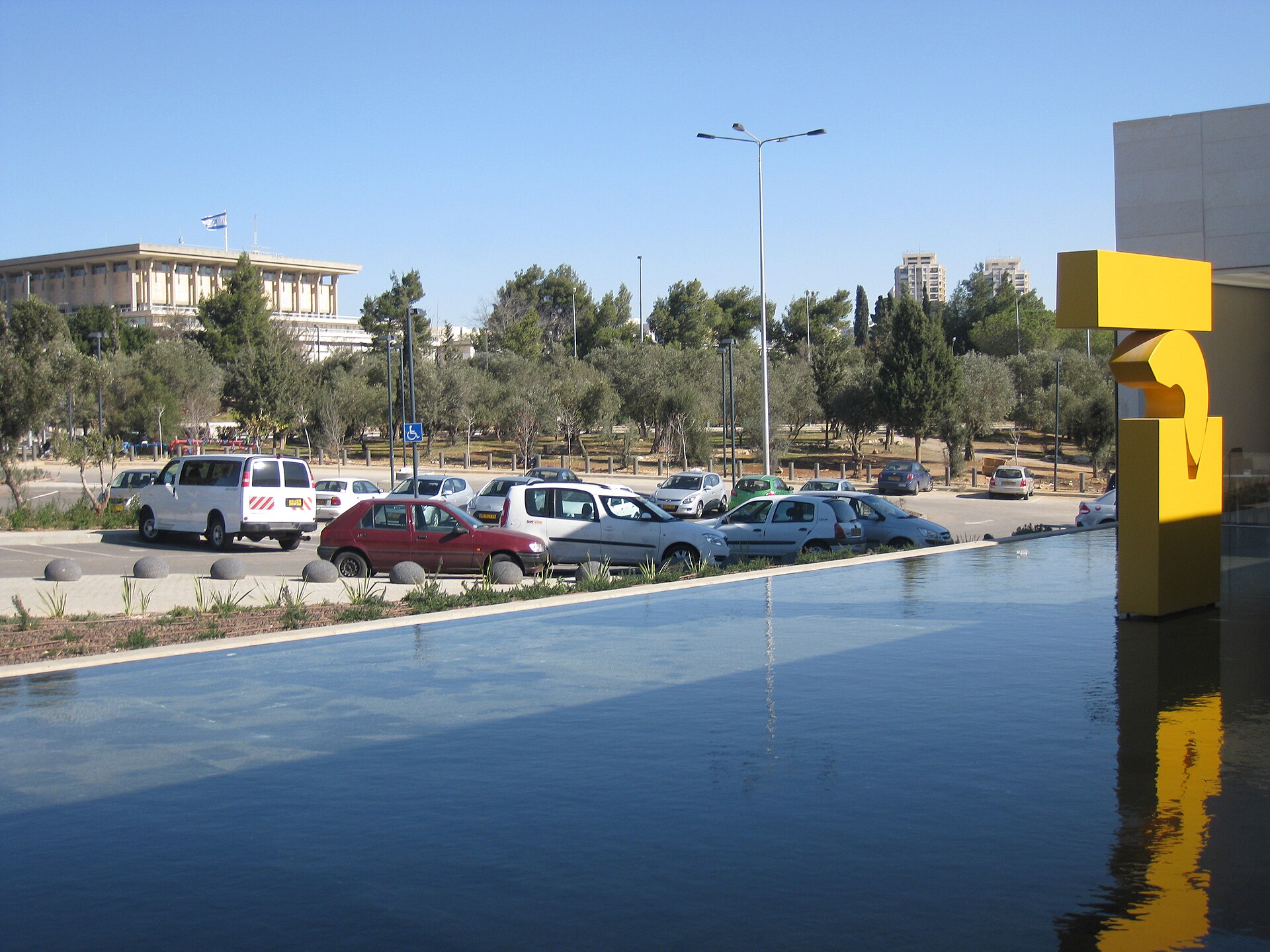
Hadash, Balad and Ta’al will contest Israel’s parliamentary election on 27 October on a renewed Joint List, bringing three Palestinian parties back onto a shared slate. The agreement places their representation in the Knesset at the center of the campaign while preserving a separate path for Ra’am, which will not join the alliance.
In brief
- Hadash, Balad and Ta’al have agreed to contest Israel’s 27 October parliamentary election on a shared Joint List.
- Ra’am will run separately, leaving the revived alliance short of the four-party structure that achieved its strongest result in 2020.
- Polling estimates cited in reporting point to a closely balanced Knesset, without establishing post-election governing alliances.
For voters, the change is straightforward but consequential. Hadash, Balad and Ta’al will appear together rather than compete as separate parties, while Ra’am will seek support independently. The arrangement revives the Joint List name without restoring the four-party format that previously included Ra’am.
The vote will elect members of Israel’s 120-seat parliament. In a contest where the largest political blocs are projected to face a difficult route to a majority, the way Palestinian parties organize their electoral support could shape both their parliamentary presence and the broader balance of the next Knesset.
A shared slate returns for the Knesset election
Hadash, Balad and Ta’al announced their decision to run together under the Joint List banner. The parties said the alliance is intended to turn their collective political weight into stronger representation in the Knesset.
A common slate gives the three parties one electoral vehicle for the October vote. It does not determine how many seats they will win, but it changes how their supporters will be represented on the ballot and how the parties will seek to consolidate support.
The Joint List has served as an electoral umbrella for Palestinian parties in Israel before. Its first formation followed a rise in the threshold required to enter parliament, from 2 percent to 3.25 percent of the nationwide vote. Pooling support on one list offered participating parties a way to compete under that higher threshold.
That arrangement did not remain intact. Internal disagreements contributed to divisions in 2019 and again in 2022. The current agreement reunites three parties, but Ra’am’s decision to remain outside it means the revived list is not a full return to its earlier structure.
What the ballot will look like
The practical effect is a choice between two separate electoral routes for these parties. Voters backing Hadash, Balad or Ta’al will find those parties on the Joint List. Ra’am will campaign on its own slate. The distinction matters when assessing later projections because estimates for the Joint List and Ra’am refer to separate lists, not one combined parliamentary group.
The 27 October contest is part of the wider Elections landscape, where relatively small changes in party representation can affect the options available after a new Knesset is elected. For now, the established development is the return of a three-party Joint List to the ballot.
Ra’am remains outside the alliance
Ra’am leader Mansour Abbas said in June that his party would not join the renewed alliance. Its separate campaign is therefore central to understanding what has changed and what has not. The Joint List brings together Hadash, Balad and Ta’al, while Ra’am remains a distinct competitor for votes and seats.
The earlier Joint List included all four parties. At its strongest showing in 2020, it won 15 of the Knesset’s 120 seats and became the parliament’s third-largest bloc. That result provides historical context, but it does not predict the outcome of the October election. The current slate includes three of the parties from that earlier alliance, and voters will decide the final distribution of seats.
Polling estimates cited with the revival of the Joint List suggest that the three-party alliance could win eight seats, while Ra’am could secure a further six. These are projections rather than results, and they should not be read as a guarantee of either party’s final representation.
A potentially close parliamentary balance
The significance of the renewed list extends beyond its own seat total. Polling cited in reporting indicates that blocs led by Prime Minister Benjamin Netanyahu and opposition leader Gadi Eisenkot would each fall short of a majority without support from Palestinian parties.
That possibility does not establish a future governing arrangement. Both camps have said they do not intend to partner with Palestinian parties after the election. The gap between projected seat totals and stated coalition positions remains important: parliamentary arithmetic can create pressure or possibilities without determining whether parties will enter an alliance.
Representation is the immediate test
The October vote will show whether the shared slate helps Hadash, Balad and Ta’al convert their combined support into stronger Knesset representation. Ra’am’s independent campaign means Palestinian representation will be divided across at least two electoral lists rather than gathered under a single four-party umbrella.
For readers following the election, the key point is not a predetermined coalition outcome but the structure of the contest itself. Three parties have resumed a shared campaign under the Joint List, Ra’am has chosen a separate route, and the resulting seat totals may matter in a parliament where neither leading bloc is projected to secure an easy majority.
Photo: deror_avi / Wikimedia Commons, CC BY-SA 3.0